
 |
 |
Slideshow prima pagina
Brasov Cup 2018
Brasov Cup 2018
Brasov Cup 2018
Brasov Cup 2018
Brasov Cup 2018
Brasov Cup 2018
Brasov Cup 2016

Brasov Cup 2016 is coming August, in 3 phases!
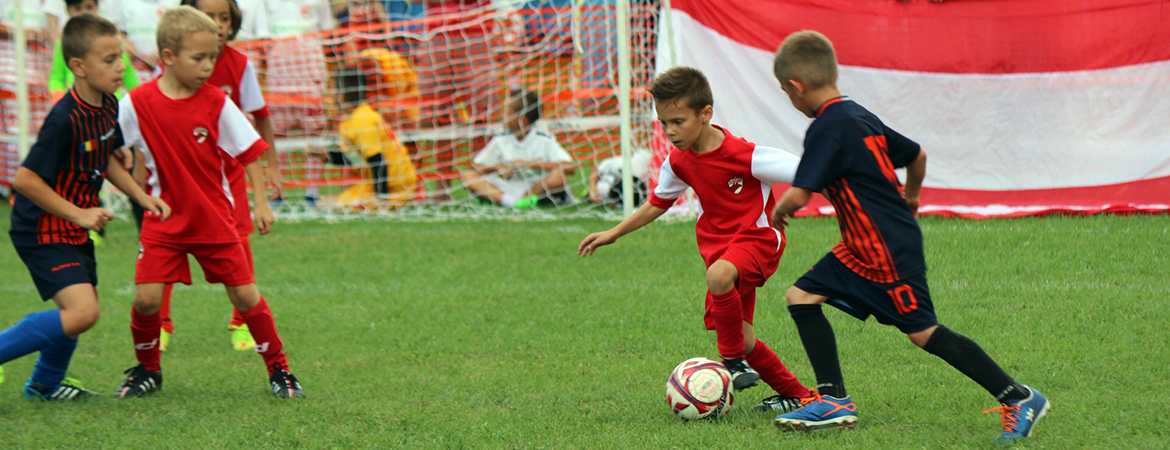
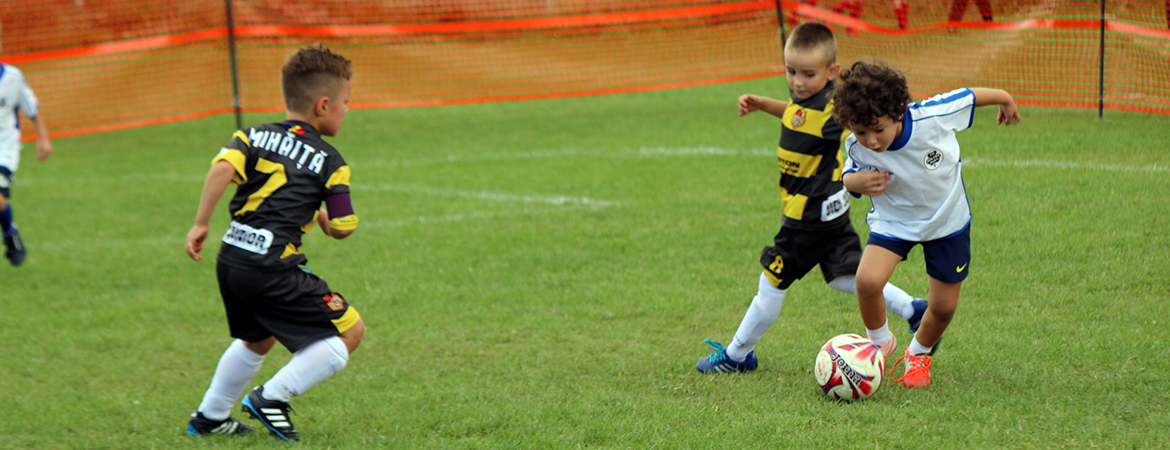
The 8th edition of Brasov Cup, the most powerful football tournament for children and youth of South East Europe will take place over five weekends as follows: 11 - 14 August (U16 & U17), 18 - 21 August (U8, U9, U10, U11, U12, U13 (Fotbal 11) ) and 25-28 August (U13 (8v8), U14 & U15).
All games will be played on natural grass pitches, having the best conditions in town !
-

Here you can find the official invitation to Brasov Cup 2016, tournament scheduled in August 2016. Click here!
-

Here you will find livescores form Brasov Cup 2016. Click here!
Latest news
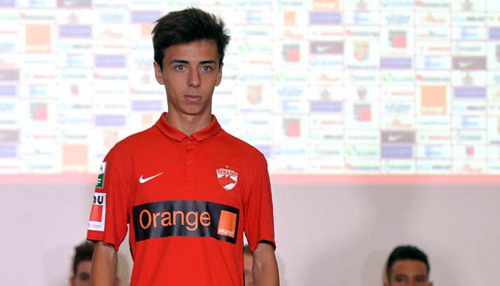
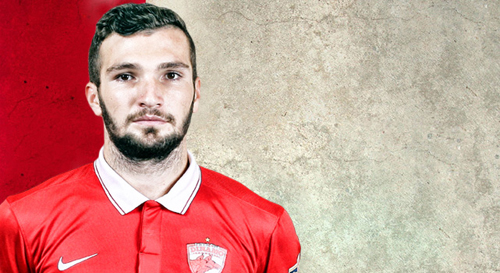
Patrick Petre (son of former Dinamo captain, Florentin Petre), Dorin Rotariu (nephew of former big international Steaua, Iosif Rotariu) and Ionut Serban were with the junior teams of "red dogs" a constant presence in Brasov, where they reached every time the final stages, winning the tournament several times. Talented but physically frail, the three „musketeers” from Dinamo Bucharest used Brasov Cup to build experience and now they can gloat that they are an important part of the Dinamo’s senior team. Patrick Petre began playing in Romanian Liga 1 at a very young age, 16 years old, managing to score a goal, while Ionut Serban, returned to Dinamo as a senior, after a period spent at Sportul Studentesc.
If Patrick and Ionut still have much to prove to satisfy the claims of the supporters, Dorin Rotariu is for more than two seasons an important piece of the "red dogs" team, scoring a good number of goals, including in the Romanian Derby, between Dinamo and Steaua. Moreover, Roti started very well this season, making Dinamo's victory, at home, against the CSU Craiova.
Steaua, a dream come true
Steaua was also well represented in Brasov Cup along the six editions played so far. Two players from the actual team of Steaua, Alexandru Tudorie and Valentin Cojocaru, played the at some time at Brasov Cup. Alex Tudorie participated with his hometown team, Otelul Galati, and the Brasov Cup developments earned him a transfer to the Football Academy of the famous club, AC Milan. Alex then returned in Romania, to Otelul, where he showed his talent last season, making the people from Steaua to see in him a perfect solution for Mirel Radoi’s team.
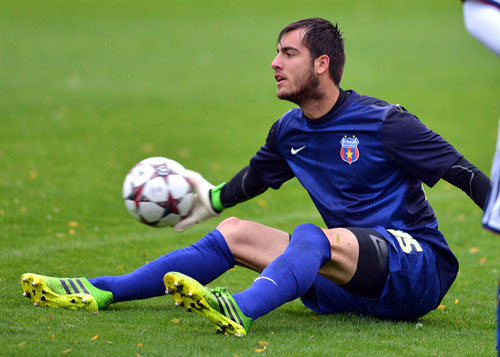
Unlike Tudorie, Valentin Cojocaru attended Brasov Cup with Steaua, showing even then very good kills for a goalkeeper. Vali has waited his turn and, after the departure of Arlauskis, he became the no 1 golakeeper of the team that won the last three campionships in Romania.
Both are pulling hard now to help Steaua to get back in the groups of the most important club competition in the world, Champions League.
The five players listed above will be, in the current season, opponents in the biggest derby of Romania, Steaua – Dinamo, with the first episode scheduled on August 9th.
Technical partner - Joma Sport

Partners




Brasov, the most beautiful city in Romania
-
Poiana Brasov Resort, The Pearl of the Carpathians
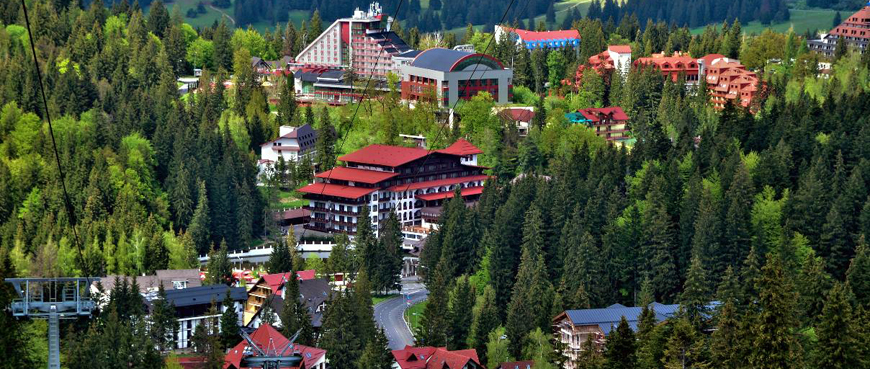
If you get to Brasov, you must necessarily go to the famous Poiana Brasov Resort, called Pearl of the Carpathians. Located 12 km from the city center, Poiana Brasov is a winter sports resort in Romania, being an internationally renowned tourist attraction and a district of Brasov. Poiana was in ancient times an hiking destination and winter sports place. The first documentary dates back to 1427 in the context of the activities of the shepherds that took place here.
-
Bran Castle, beyond Dracula mith
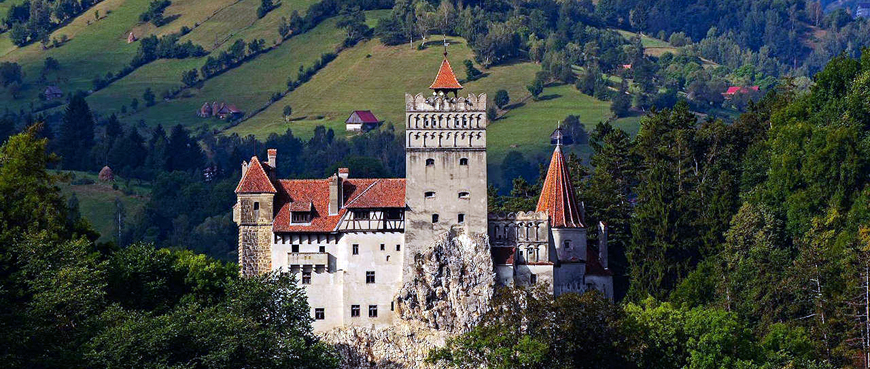
Bran Castle, known worldwide through Dracula mith and former ruler Vlad Tepes, is situated less than 30 km from Brasov, on the road from old neighborhood Bartholomew linking Brasov to Campulung. Bran Castle is built on a rock in a key strategic point of view .
He currently hosts Bran museum, wich is spanning on 4 floors of the castle. -
The Black Church, amazing, incredible
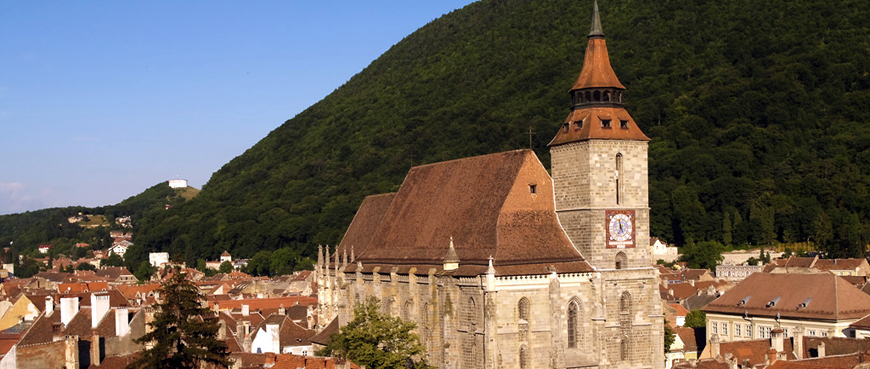
The Black Church is the largest and most beautiful Gothic building in Europe. It is located in the center of Brasov, just off the Council Square. The Gothic building was partially damaged by fire in 1689, when its walls were slandered and received its current name .
The Black Church is one of the most important monuments of Gothic architecture in Romania, dating from the fourteenth and fifteenth centuries.
Media partners
 |
 |
 |
 |
 |
|||||
 |
 |
 |
 |
 |